Notes on AI use cases for CHEC
- Automating routine operations: Freeing people from repetitive tasks so they can focus on adding value.
- Powering products: By delivering more relevant and responsive customer experiences.
- Workforce performance: Helping people deliver higher-quality outputs in shorter time frames.

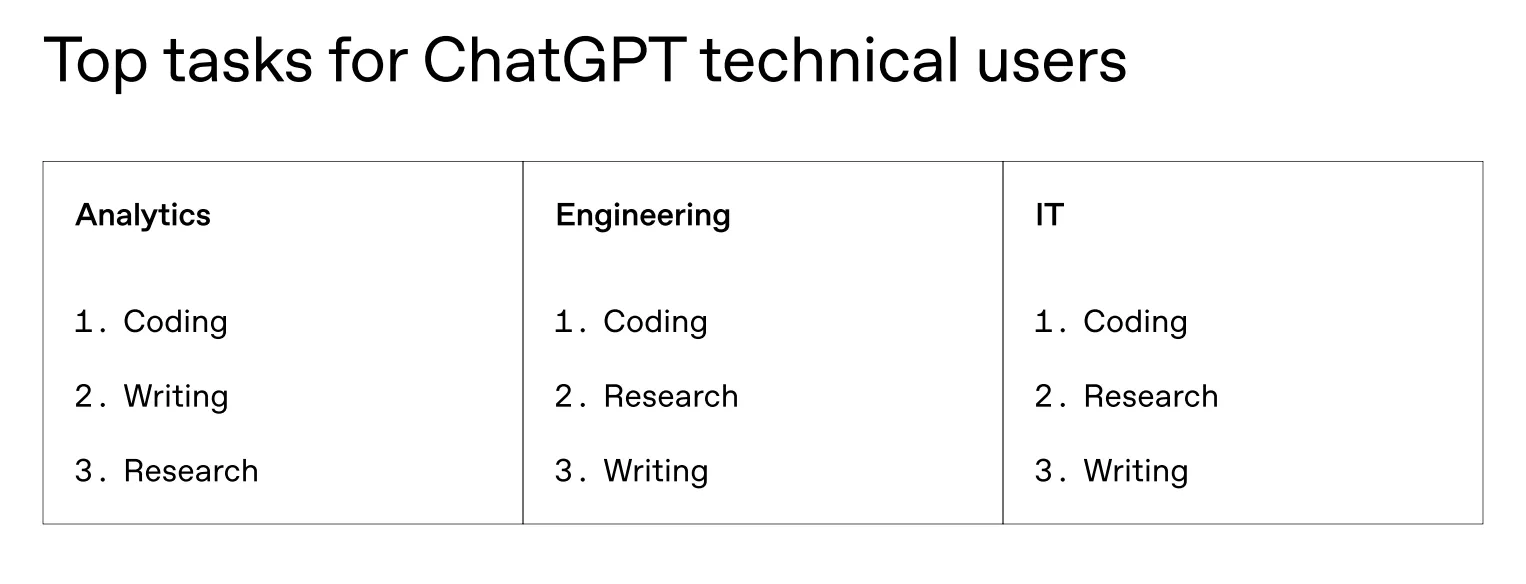

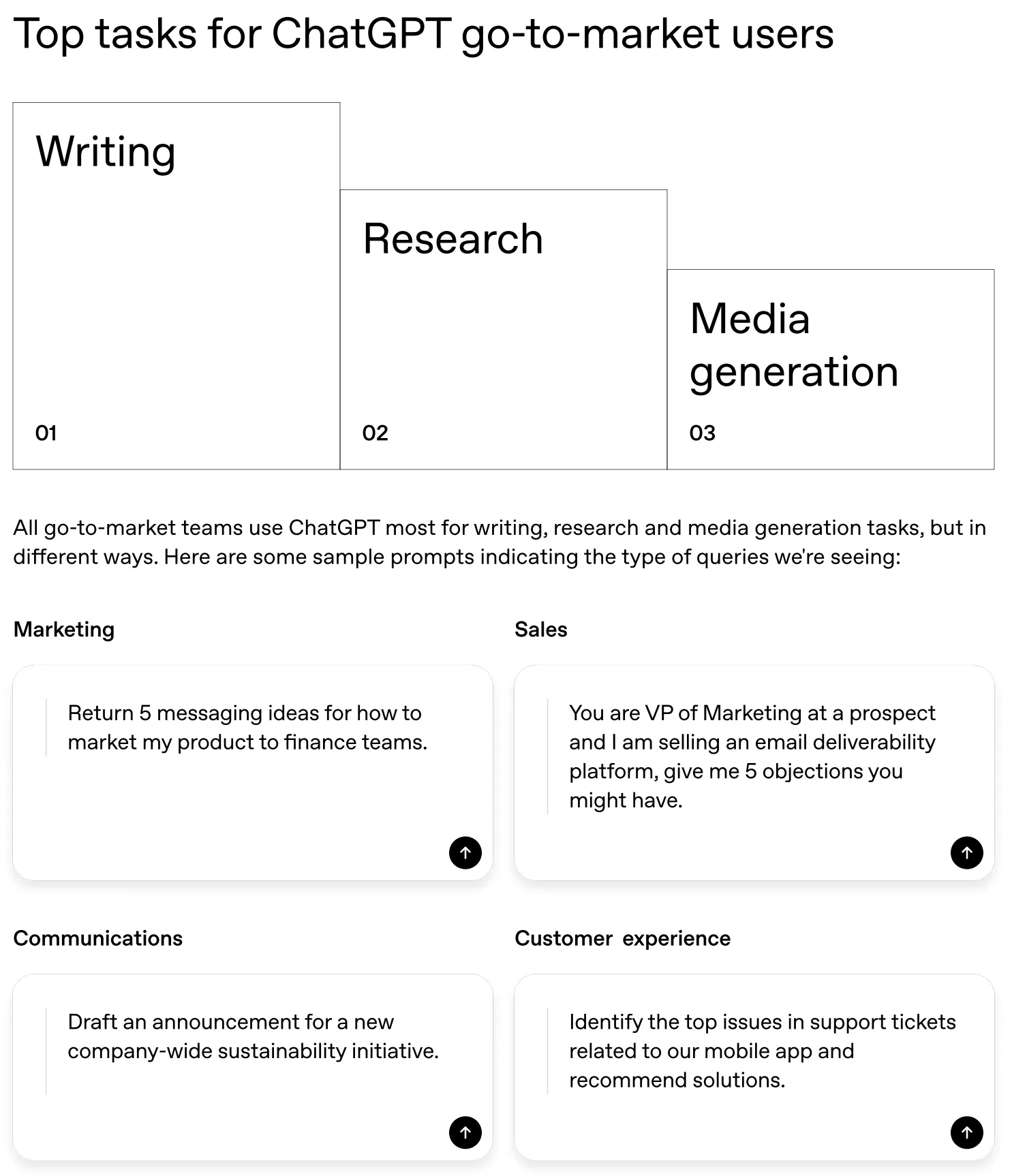

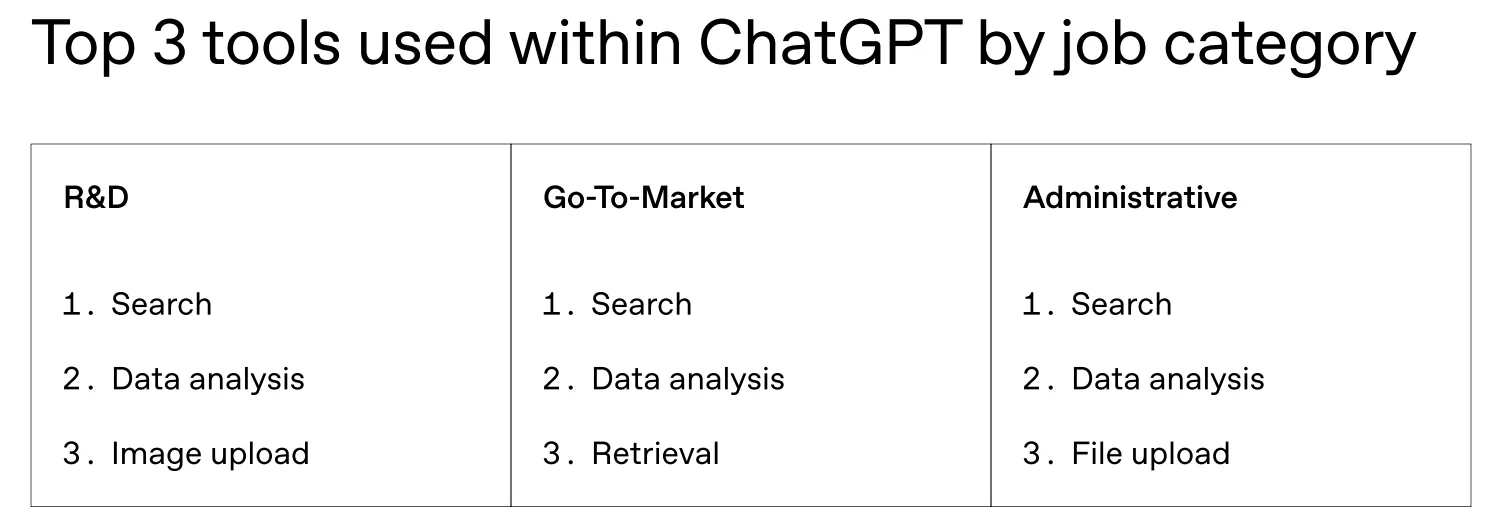
OpenAI’s recommendations for organizations emphasize moving beyond casual experimentation toward treating AI as a new operational paradigm.1 Their framework, primarily outlined in their “AI in the Enterprise” and “Staying Ahead in the Age of AI” guides, focuses on a cycle of Align, Activate, Amplify, and Accelerate.
1. Seven Lessons for Enterprise Adoption
Section titled “1. Seven Lessons for Enterprise Adoption”OpenAI identifies seven core pillars for organizations to transition from initial interest to scaled value:
- Start with Evals: Before full deployment, use a systematic “evals” (evaluation) process. This involves measuring model performance against specific benchmarks—such as accuracy, compliance, or safety—for your unique use case.
- Embed AI into Products: Don’t just use AI as a separate tool; integrate it into the customer journey to create more responsive and personalized experiences.
- Start Now and Invest Early: The value of AI compounds as the organization learns. Early adopters gain a competitive edge by building “AI muscle memory” before their peers.
- Customize and Fine-Tune: While “out-of-the-box” Models are powerful, tuning AI to your specific domain knowledge and brand voice dramatically increases its utility.4
- Get AI in the Hands of Experts: The people closest to a business process (e.g., legal experts, customer service leads) are the best equipped to identify how AI can improve it.
- Unblock Your Developers: Automating the software development lifecycle (using tools like Codex or GitHub Copilot) multiplies the “AI dividend” by speeding up all other technical projects.
- Set Bold Automation Goals: Aim high by identifying rote, repetitive work and setting ambitious goals for what percentage can be handled by AI.
2. Identifying High-Impact Use Cases
Section titled “2. Identifying High-Impact Use Cases”OpenAI suggests organizations focus on three “workplace challenges” where AI serves as a “super-assistant”:
| Category | Description | Examples |
|---|---|---|
| Repetitive Low-Value Tasks | Routine work that drains time. | Summarizing meetings, tracking competitors, answering FAQs. |
| Skill Bottlenecks | Tasks that require specialized input. | Non-technical staff writing code or designers drafting copy. |
| Navigating Ambiguity | Turning rough ideas into structure. | Drafting project briefs, creating strategy outlines from notes. |
3. Structural & Leadership Strategies
Section titled “3. Structural & Leadership Strategies”Beyond technical implementation, OpenAI recommends specific organizational changes:5
- Establish an AI Champions Network: Identify “passionate” internal users to serve as mentors and spread enthusiasm across departments.
- Make Experimentation Routine: Dedicate specific times (e.g., “AI Fridays”) for teams to workshop how tools could improve their workflows.
- Launch a Centralized Knowledge Hub: Prevent “siloed” learning by documenting successful prompts, workflows, and “wins” in a shared space like Notion or SharePoint.
- Align KPIs with AI: Incorporate AI adoption into company planning and performance reviews. Encourage leaders to share AI successes publicly to create a positive feedback loop.
4. Technical Best Practices for Production
Section titled “4. Technical Best Practices for Production”For businesses building on their API, OpenAI highlights three critical technical habits:
- Strict Monitoring: Track token usage, latency, and error rates (like HTTP 429) to manage costs and reliability.6
- Pin Model Versions: Use specific model versions (e.g.,
gpt-4-0613) in production to avoid unexpected behavior changes during automatic updates.7 - Security First: Scrub sensitive data (PII) before sending it to the API and use robust access controls for API keys.8
Would you like me to help you draft a Value/Effort framework for your specific industry to help prioritize these use cases?
In 2026, healthcare providers have transitioned from experimental AI pilots to enterprise-scale deployment, primarily focused on reducing burnout and improving diagnostic speed.
Clinical Documentation and Burnout Relief
- Ambient Scribes: Systems like Microsoft Nuance DAX and Abridge are now standard in many clinics. They “listen” to patient visits and automatically generate structured clinical notes, saving doctors several hours per week.
- Clinical Summarization: AI agents analyze years of a patient’s medical history to provide a concise pre-visit brief, allowing physicians to enter the room fully informed without scrolling through digital folders.
Enhanced Diagnostics and Imaging
- Radiology & Pathology: AI is used to flag abnormalities in CT scans and X-rays—such as strokes, fractures, or early-stage tumors—often before a doctor even opens the file.
- Predictive Risk Scoring: Integrated into electronic health records (Her), AI calculates real-time risk scores (e.g., Care Level Score™) to predict sepsis, heart failure, or potential patient deterioration hours before clinical symptoms appear.
- Specialized Detection: Specialized tools are in use for predicting breast cancer risk up to five years in advance and identifying asymptomatic heart failure via AI-enhanced ECGs with over 90% accuracy.
Operational and Administrative Automation
- Intelligent Triage: Providers use conversational AI to screen symptoms, prioritize urgent cases, and route patients to the correct level of care, reducing abandoned calls and wait times by nearly 50%.
- Revenue Cycle Management: “Agentic AI” executes multi-step administrative tasks like automated prior authorization and billing coding, which has reduced approval wait times by up to 90%.
- Appointment Management: Hospitals use predictive models to identify patients likely to “no-show” and proactively offer them personalized reminder schedules or transportation support to reduce missed visits.
Personalized and Precision Medicine
- Digital Twins: Virtual models simulate an individual patient’s biological response to specific therapies, particularly in oncology, to reduce adverse drug reactions.
- Remote Monitoring: Wearables paired with AI analytics allow for continuous tracking of vitals, alerting care teams to irregularities and enabling “virtual hospitals” that manage chronic conditions from the patient’s home.
Emerging Governance (The 2026 Shift)
With the enforcement of the EU AI Act in 2026, providers have implemented “AI safe zones” for controlled experimentation and have hired dedicated AI Safety Officers to ensure systems remain transparent, auditable, and free from algorithmic drift.
Discover the 2026 landscape of AI in healthcare, highlighting ambient intelligence, predictive diagnostics, operational agents, and personalized medicine tools.
In 2026, the primary shift is the move from “experimental pilots” to “enterprise-scale deployment,” where AI is a foundational layer of both the organization and the clinical product
.
Contrast: A Day in the Life (2026)
| Feature | Traditional Workflow | AI-Enabled 2026 Workflow |
|---|---|---|
| Morning Prep | Data Hunting: Physician spends 30–60 mins manually reviewing lab results, specialist letters, and Her folders. | AI Briefing: An AI agent provides a concise pre-visit brief, highlighting care gaps (e.g., missed mammograms) and flagging deteriorating vital trends. |
| Patient Visit | ”The Screen Barrier”: Physician spend 60% of the visit typing, looking at the computer rather than the patient. | Eye Contact: Ambient listening tools (e.g., Nuance DAX, Abridge) capture the conversation, generating a 99% accurate draft note in real-time. |
| Diagnostics | Reactive & Manual: Relying on human eye for imaging; results can take days. Missed fractures occur in ~10% of cases. | Proactive & Augmented: AI-assisted imaging (e.g., Annalise.ai) flags abnormalities in seconds, often before the doctor opens the file. |
| After-Hours | ”Pajama Time”: Doctors spend 2–3 hours at night finishing documentation and administrative charts. | Task Closure: Admin tasks (prior auth, billing codes, discharge summaries) are largely automated, potentially saving 15–20 hours per week. |
Efficiency (Organization) vs. Product (Healthcare Delivery)
Healthcare organizations are currently using AI to solve two distinct problems: improving the “business” of health and enhancing the actual “delivery” of care.
1. Organizational Efficiency (The “Business” of Health)
These applications streamline back-office operations to reduce costs and administrative friction.
- Revenue Cycle Management: “Agentic AI” executes multi-step administrative tasks like automated prior authorization and billing coding, reducing approval wait times by up to 90%.
- Operational Orchestration: Predictive models forecast patient admissions to optimize bed utilization and staffing schedules, reducing “bed-blocking”.
- Patient Intake & Triage: AI-powered agents handle over 75% of inbound calls, managing scheduling and simple medical queries with zero hold time.
2. Healthcare Delivery (The actual “Product”)
These applications infuse AI directly into the medical diagnosis, treatment, and monitoring of patients.
- Personalized Treatment: AI “Digital Twins” simulate a patient’s biological response to specific therapies, particularly in oncology, to predict which drug will be most effective.
- Early Intervention: AI models (e.g., Imperial’s AIRE-DM) predict chronic diseases like type 2 diabetes up to 10 years in advance by analyzing routine ECGs.
- Virtual Wards: Remote monitoring systems track vitals at home, using AI to “nudge” care teams only when a patient’s numbers look worrying, preventing hospital readmissions.
Would you like me to prepare a more detailed ROI summary comparing the financial savings of organizational efficiency versus the clinical outcome gains of AI-enhanced delivery?

Healthcare & Life Sciences
Customer Agents
Section titled “Customer Agents”- Bennie Health uses Vertex AI to power its innovative employee health benefits platform, providing actionable insights and streamlining data management in order to enhance efficiency and decision-making for employees and HR teams.
- CitiusTech, a global healthcare technology services firm, uses Google Cloud to improve patient experience, reduce administrative burden on clinical staff, and save costs for healthcare systems. The company has developed an AI search solution using Vertex AI to efficiently connect patients with the right specialists and automate critical workflows.
- Clivi, a Mexican health startup, has created a gen AI platform with Google Cloud that enables personalized and continuous monitoring of its patients to offer tailored responses, improve the volume and capacity of care, and reduce complications.
- Family Vision Care of Ponca City uses Gemini in Gmail to easily explain medical terms in patient emails and to improve accessibility.
- Fitterfly, an India-based mobile health app helping users manage chronic diseases like diabetes and obesity, uses Gemini Flash and Vertex AI to reduce meal logging times by 80% and automate 90% of support queries. The AI-powered platform delivers precision coaching to over 30,000 users and enterprise clients including major insurers in India and UAE.
- Freenome is creating diagnostic tests that will help detect life-threatening diseases like cancer in the earliest, most-treatable stages — combining the latest in science and AI with the ease of a standard blood draw.
- Genial Care, a Latin American healthcare network, is a reference in innovative care for children with Autism Spectrum Disorder and their families. By investing in Vertex AI, the company has improved the quality of records of sessions involving atypical children and their families, allowing caregivers to fully monitor the work carried out.
- Manipal Hospitals, one of India’s largest healthcare providers serving over 7 million patients annually, uses Vertex AI and Gemini models to power its ePharmacy app that enables patients to view prescriptions, order medications, and arrange delivery after consultations. The AI platform reduces average order time from 15 minutes to less than 5 minutes while achieving 99% accuracy.
- Moody Month, a daily health and wellness tracker used by more than 100,000 women, built its AI-powered platform using Cloud Run, Gemini 2.5 Pro, and BigQuery to deliver personalized hormone forecasts while keeping sensitive health data secure. The company serves 100,000 users a month for just £1,000 with its scalable Google Cloud microservices infrastructure.
- Orby is combining AI and neurotechnology, applying complex mathematical models, Google Cloud’s IT resources, and Gemini to create a “digital brain.” This solution supports patients’ rehabilitation, helping them to recover lost motor skills and reduce their pain.
- Pear Health Labs, a health and fitness AI platform, develops personalized interventions to prevent chronic conditions. It powers recommendations, content search, and dynamic audio coaching. It uses Vertex AI Voice Generation, Vector Search in BigQuery, and the engineering team leverages Gemini Code Assist.
Employee Agents
Section titled “Employee Agents”- American Addiction Centers was able to reduce employee onboarding from three days to 12 hours using Gemini for Google Workspace, and is now exploring how to streamline tasks like generating safety checklists for medical staff, saving valuable time and improving patient care.
- Asepha, part of the Google for Startups Cloud AI Accelerator, is building fully autonomous AI pharmacists to help automate manual work.
- Bayer is building a radiology platform that will assist radiologists with data analysis, intelligent search, and document creation that meet healthcare requirements needed for regulatory approval.
- BenchSci develops Generative AI solutions empowering scientists to understand complex connections in biological research, saving them time and financial resources and ultimately bringing new medicine to patients faster.
- Better Habits uses Google Workspace with Gemini to reduce the time spent developing communication plans, allowing them to focus on delivering high-quality wellness workshops.
- Certify OS is automating credentialing, licensing, and monitoring of medical providers for healthcare networks, relieving the burden of time-consuming and often siloed information.
- Click Therapeutics develops prescription digital therapeutics designed to treat disease. Its Clinical Operations team leverages Gemini for Google Workspace to transform complex operations data into actionable insights so they can quickly pinpoint ways to streamline the patient experience in clinical trials.
- Mark Cuban’s Cost Plus Drugs widely uses Gemini for Google Workspace, estimating that employees are saving an average five hours per week just with AI capabilities in Gmail. Gemini is also streamlining time-consuming, manual processes through uses like AI-generated transcriptions and auto-formatting of pharmaceutical lab results or FDA compliance documentation.
- Covered California, the state’s healthcare marketplace, is using Document AI to help improve the consumer and employee experience by automating parts of the documentation and verification process when residents apply for coverage.
- CoVet is an AI assistant built by veterinary professionals, for veterinary professionals, that uses Gemini, Cloud Functions, and other solutions to help veterinary teams automate administrative work, save hours every day, and refocus on what matters most: exceptional patient care.
- Cradle, a biotech startup, is using Google Cloud’s generative AI technology to design proteins for drug discovery, food production, and chemical manufacturing. By leveraging TPUs and Google’s security infrastructure, the company accelerates R&D processes for pharmaceutical and chemical companies while protecting sensitive intellectual property.
- CytoReason uses AI to create computational disease models that map human diseases, tissue by tissue and cell by cell, to help pharma companies shorten clinical trials and reduce the high costs of drug development. CytoReason has been able to reduce query time from two minutes to 10 seconds.
- Dasa, the largest medical diagnostics company in Brazil, is helping physicians detect relevant findings in test results more quickly.
- DaVita is developing dozens of AI models to transform kidney care, including analyzing medical records, uncovering critical patient insights, and reducing errors. AI enables physicians to focus on personalized care, resulting in significant improvements in healthcare delivery.
- Digital Diagnostics, a healthcare diagnostics company, uses Google Cloud’s secure infrastructure to enhance the reach of LumineticsCore, its AI-powered diagnostic tool for diabetic retinopathy. This approach protects sensitive health data and ensures patient privacy and regulatory compliance.
- Elanco, a global leader in animal health with thousands of manufacturing compliance documents, uses Gemini within its Elanco.ai platform to automatically sort, summarize, compare, and restructure information from over 2,500 unstructured policy and procedure documents per manufacturing site. The AI agent improves accuracy and consistency of compliance documentation, reducing the risk of outdated or conflicting information that could cost up to $1.3 million in productivity impact at large sites.
- Fingerpaint, a full-service pharmaceutical marketing agency, uses NotebookLM to conduct real-time quality assurance and fact-checking for drug efficacy claims and craft compelling strategic marketing narratives. The AI addresses the challenge of verifying LLM outputs in an industry where every claim must be meticulously fact-checked and supported by scientific literature and clinical trial data, enabling the agency to scale its use of AI.
- Hackensack Meridian Health has developed a clinical decision-making tool that analyzes large patient data sets to identify patterns and trends. These insights can be used to help providers make better decisions about patient care.
- HCA Healthcare is testing Cati, a virtual AI caregiver assistant that helps to ensure continuity of care when one caregiver shift ends and another begins. The healthcare network operator is also using gen AI to improve workflows on time-consuming tasks, such as clinical documentation, so physicians and nurses can focus more on patient care.
- Hemominas, Brazil’s largest blood bank, partnered with Xertica to develop an omnichannel chatbot for donor search and scheduling, streamlining processes and enhancing efficiency. The AI solution has the potential to save half-a-million lives annually by attracting more donors and optimizing blood supply management.
- Highmark Health is building an intelligence system equipped with AI to deliver valuable analytics and insights to healthcare workers, patients, and members, powered by Google Cloud’s Healthcare Data Engine.
- *Infinitus, one of the most trusted agentic healthcare communications platforms, automates clinical and administrative conversations at scale. Our AI agents powered by Gemini’s multimodal capabilities have completed over 5x more conversations than any other solution with payors, patients, and providers to drive revenue and improve health outcomes
- *iSono Health, a medical imaging company, developed a Virtual Sonographer, an intelligent, automated 3D Ultrasound platform powered by Google Cloud AI. The platform brings breast imaging directly to the point of care, providing fast, accessible, and repeatable imaging.
- *Kyoto University Hospital partnered with Fitting Cloud to develop CocktailAI, a medical document generation system using Vertex AI with Gemini and MedLM that automates clinical referral letters and discharge summaries. Doctors who previously spent 3-4 hours after each day’s appointments on documentation can now generate documents that require only minor review and corrections.
- *Manipal Hospitals, one of India’s largest healthcare providers with more than 10,500 beds, is pioneering the use of Gen AI to automate nurse handoff documentation by generating comprehensive reports that summarize patient information, medication changes, laboratory results, and vital signs. The solution reduces handoff time from 90 minutes to approximately 20 minutes per nurse.
- PwC uses AI agent technology, powered by Google Cloud, to help oncology clinics to streamline administrative work so that doctors can better optimize the time they spend with patients.
- Sami Saúde uses Gemini for Google Workspace to automate repetitive tasks, empowering care providers and accelerating access to care. This has resulted in a 13% increase in productivity, 100% of patient summaries being generated by AI, and more accurate diagnoses for improved patient outcomes.
- Seattle Children’s Hospital is pioneering a new approach to clinical care with its Pathway Assistance solution, which makes thousands of pages of clinical guidelines instantly searchable by pediatricians.
- *Seattle Children’s is also using a HIPAA-compliant version of Gemini in Google Workspace to speed up writing meeting notes, drafting emails, and creating tickets. Physicians now draft emails, notes, and tickets in seconds instead of hours, reducing administrative load and enabling more time for patient care.
- *SIGNAL IDUNA, a leading German Insurance provider, partnered with Google Cloud, Boston Consulting Group (BCG), and Deloitte to develop Co SI — a cutting-edge AI knowledge assistant that helps customer service agents resolve complex health insurance inquiries, quickly and accurately. For less experienced agents, information searches are 30% faster and inquiries that previously required further escalation dropped from 27% to just 3%
- Straloo uses Gemini to innovate the diagnostic approach in its digital rehabilitation platform, helping doctors and physical therapists prescribe appropriate treatments for those suffering from knee and back pain.
- *Tali.ai is the leading medical AI scribe platform, designed to reduce the administrative burden of clinicians. Integrated with multiple EMRs across the U.S. and Canada, it leverages Google’s Vertex and Gemini models to automate clinical note-taking during patient encounters and extract key insights.
- *Think Research, a provider of knowledge-based digital health software solutions, uses Google Cloud’s scalable infrastructure and analytics tools to power its platform. This enables the company to deliver more efficient patient care and improve health outcomes.
- Ubie, a healthcare-focused startup founded in Japan, is using Gemini models via Google Cloud to power its physician assistance tool.
- Ufonia helps physicians deliver care by using Google Cloud’s full AI stack alongside its own clinical evidence to automate routine clinical consultations with patients, transforming the experience for both patients and clinicians.
- *Virbac, an animal health pharmaceutical company, uses Gemini in Google Workspace to compare supplier quotes for procurement and draft legal clauses for the legal department. The AI automates low-impact tasks, allowing teams to focus on high-value priorities that directly support animal health.
- *Virbac also uses Gemini models to pilot an HR chatbot that streamlines international collaboration and automates routine tasks. The deployment includes clear AI governance and onboarding sessions to build AI awareness across the organization.
- WellSky is integrating Google Cloud’s healthcare and Vertex AI capabilities to reduce the time spent completing documentation outside work hours.
- Wipro is supporting a national healthcare provider in using Google Cloud’s AI agent technology to develop and adjust contracts, helping to optimize and accelerate a historically complex and time-consuming task while improving accuracy.
Data Agents
Section titled “Data Agents”- Amigo Tech launched Amigo Intelligence, a platform based on Google AI technologies that automates medical processes, reduces costs, and improves the efficiency of clinics and practices. The solution includes tools like anamnesis automation, advanced exam analysis, and a medical AI chatbot, transforming healthcare management.
- Apollo Hospitals in India partnered with Google Health to build screening models for tuberculosis and breast cancer, helping an extremely limited population of radiologists cover more patients at risk, scaling to 3 million screenings in a matter of years.
- ARC Innovation at Sheba Medical Center is using Google Cloud’s AI tools, including Looker Studio and BigQuery ML, to create healthcare solutions that improve critical clinical decisions during the treatment of ovarian cancer.
- *Atropos Health, a healthcare data analytics company, optimized its GENEVA OS to work with Google Cloud’s Healthcare Data Engine (HDE) and BigQuery. This enables customers to efficiently and securely convert data into valuable insights and evidence.
- Auransa, an emerging clinical-stage biopharma company, has created a proprietary AI platform to derive a differentiated pipeline of novel drugs.
- Autoscience, a startup building AI agents to aid in scientific research, is using Google Cloud infrastructure and resources through the Google for Startups Cloud Program as it begins to build and market its products.
- Bayer built a data agent that uses gen AI in BigQuery to predict flu outbreaks. It combines Google Search trends and internal data for real-time, location-specific healthcare planning.
- Bayer and Google also announced a collaboration to drive early drug discovery that will apply AI-specialized Tensor Processing Units (TPUs) to help accelerate and scale Bayer’s quantum chemistry calculations.
- Beep Saúde, the largest home health company in Brazil, implemented an AI-powered last-mile dynamic routing system with Google Maps to optimize its operations and manage a 10% cancellation volume. The company also uses AI to speed up the processing of medical orders, aiming to reduce costs and increase efficiency to boost its expansion plans in Brazil.
- Bliss Health is transforming the insurance market with a digital channel for brokers, integrated with Google Cloud and technologies like Dialogflow and Gemini Pro. The solution has reduced its service-level agreement from four hours to seconds in transactional queries, improved operational efficiency, and eliminated bureaucracy, helping to speed up business closure.
- CerebraAI, develops AI software for analyzing non-contrast CT (NCCT) scans, with a focus on early stroke and cancer detection. It fine-tunes MedGemma on NCCT images and leverages Gemini’s few-shot generalization capabilities to rapidly adapt the model for various diagnostic tasks.
- Chopo/Grupo Proa, a Mexican medical diagnostics company, leverages generative AI to integrate patient and physician data, obtaining a complete view that optimizes decision-making. This initiative has enabled a considerable reduction in acquisition costs and an increase in sales.
- *Congruence Therapeutics, a computationally driven biotechnology company, uses its proprietary platform, Revenir, to build a pipeline of small molecule correctors. The platform identifies novel allosteric and cryptic pockets in proteins to rescue aberrant function.
- *DNAstack, a leading genomics data management and analysis platform, leverages Google Cloud’s scalable infrastructure and advanced analytics tools to accelerate research and discovery in personalized medicine.
- Elanco, a leader in animal health, has implemented a gen AI framework supporting critical business processes, such as Pharmacovigilance, Customer Orders, and Clinical Insights. The framework, powered by Vertex AI and Gemini, has resulted in an estimated ROI of $1.9 million since launching last year.
- *Evogene uses Google Cloud and Vertex AI to replace life sciences’ costly “spray and pray” molecular discovery — testing millions of molecules hoping to stumble into effective ones — with their computational platform. They now process 40 billion molecules versus previous millions, while using Vertex AI to develop a cutting-edge small-molecule foundation model that dramatically accelerates drug discovery timelines.
- Fairtility is using Google Cloud’s AI capabilities to enhance IVF outcomes worldwide. By leveraging AI and machine learning within Google Cloud, Fairtility analyzes embryo images and related data to identify embryos with the highest potential for successful implantation, increasing the likelihood of pregnancy for patients undergoing IVF.
- *GenBio AI, a computational biology company, uses Google Cloud to power six specialized AI models in developing AI-driven digital organism simulators. These models simulate biological programming to address critical challenges in medicine and biology.
- Ginkgo Bioworks is building a next-generation AI platform for biological engineering and biosecurity, including pioneering new AI models for biological engineering applications that are powered by Vertex AI.
- *Gleamer, a French AI radiology company deployed in over 2,500 healthcare institutions across 45 countries, uses Med-PaLM and Gemini on Vertex AI to automate radiological report generation. The platform processes over 35 million exams annually and demonstrates a 30% improvement in lesion detection, allowing general radiologists to reach specialist-level performance.
- *Immunai tackles drug development’s decade-long timeline with AMICA, the world’s largest immune-focused single-cell database containing hundreds of millions of cells. Using Google Cloud GPU clusters, they train models that transform complex immune mechanisms into actionable recommendations for 30+ biopharmaceutical partners.
- Mayo Clinic has given thousands of its scientific researchers access to 50 petabytes worth of clinical data through Vertex AI Search, accelerating information retrieval across multiple languages.
- Mendel has built a clinical AI system designed to consolidate the longstanding silos in medical data into a knowledge base of holistic patient journeys, boosting patient recruitment for new therapies and clinical trials.
- *Menten AI, a biotechnology company, uses Google Cloud’s high-performance compute and machine learning capabilities to accelerate the development of peptide therapeutics. This allows the company to rapidly design and optimize novel drug candidates.
- *Moonwalk Bio, a preclinical-stage biotechnology company, leverages epigenetic biology and AI to pioneer new medicines for obesity and cardiometabolic disease. Their platform determines the causal relationships between genes and disease pathways for therapeutic targeting.
- The National Institutes of Health (NIH), the U.S. government’s healthcare and research agency, uses Google Cloud as part of STRIDES, the Science and Technology Research Infrastructure for Discovery, Experimentation, and Sustainability. The initiative provides easy access to high-value NIH datasets and a wide range of Google Cloud services, including compute resources, data storage and analytics, and cutting-edge AI and ML capabilities to accelerate biomedical research.
- Neomed, a Brazilian healthcare startup, works in the diagnosis of cardiovascular diseases, assisting clinics and hospitals in the management of data and reports of graphical exams. Its AI-based solution reduces the time for electrocardiogram reports to around two minutes.
- Nextnet uses Gemini and Vertex AI to uncover novel insights and knowledge for life sciences and pharmaceutical research, enabling researchers to analyze biomedical data and identify hidden relationships in scientific literature.
- Ordaōs, an AI-driven drug discovery leader, relies on its cloud computing capabilities to design, process, and analyze data for millions of protein structures, notably using Google Kubernetes Engine to achieve increased flexibility and easier scalability to take on new, larger AI projects.
- Probrain offers personalized auditory stimulation training. By implementing cloud-based gen AI solutions, it’s modernized services and reduced costs by approximately 89%. For the end consumer, this also resulted in savings of almost 50%.
- Red Interclinica, the Chilean hospital network, uses AI to make better decisions through data transformed into insights, as well as making medical care more accessible for its patients, while also reducing costs and generating more value for the organization.
- *SandboxAQ is expanding its usage of Google Cloud and running a new AI drug discovery simulation platform on Google Cloud.
- Schrödinger uses Cloud GPUs to power AI models working on advanced drug discovery.
- *Sully.ai, a healthcare AI company, has built an app store for AI agents designed specifically for healthcare professionals. The platform provides support to clinicians on administrative tasks, so they can focus on patients.
- Superluminal Medicines uses Google Cloud’s computing power to analyze multiple protein structures and integrate them into dynamic protein models for drug discovery, allowing for a more accurate representation of protein behavior and the design of more precise drug interventions.
- *Triplebar, a biotechnology company, is building a genome-scale AI model for therapeutic production. Using a proprietary miniaturization process, they can test billions of cellular mutations at once, creating large datasets to train generative AI and inform new treatments.
- *Via Scientific, a bioinformatics company, partners with Google Cloud to deliver Via Foundry, an enterprise-grade platform that uses Gemini and Vertex AI to make the drug discovery process more efficient. The platform transforms complex biological data into actionable insights that can accelerate discoveries.
- *Virgo Surgical, a medical video solutions provider, uses Google Cloud Storage and Google Kubernetes Engine to host and process over 1.75 petabytes of video data. This data has been used to create EndoDINO, an AI foundation model for endoscopy that achieves high performance in medical imaging applications.